The Netherlands Diary/Նիդ.օրագիր

The Netherlands Diary/Նիդ.օրագիր
The Netherlands Diary

Wednesday, 19 May 2021

AGBU Europe Newsletter - May 2021


May 2021       
One Annual Donation Fits All
 
AGBU Opportunity Fund isn’t just what makes the world of AGBU go round every day of the year. It’s when the outside world is in turmoil that instant access to unrestricted funds can make a real difference in people’s lives.
 

The last turbulent year makes a compelling case for annual giving in support of the all-purpose AGBU Opportunity Fund. It’s the most effective way to meet the urgency of today and the promise of tomorrow. And consistency is a powerful antidote to the chaos of crisis.


Please make giving to AGBU Opportunity Fund a yearly tradition in your household. Each time you give, you extend our outreach across the Armenian World that much farther, so that no Armenian is ever left behind....read more

AGBU Europe launches its European Remembrance Project


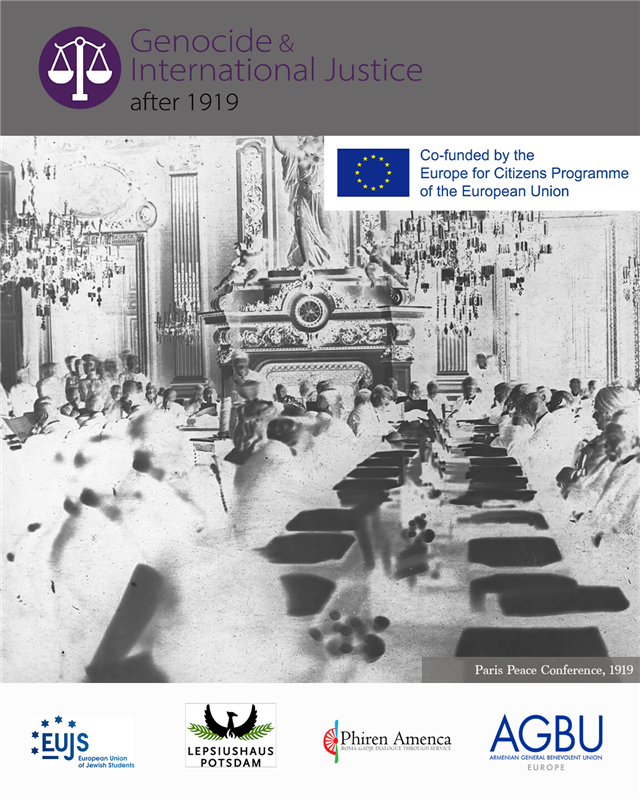
AGBU Europe is pleased to announce the first events on June 2 & 3 of its projet "Ideas & their Consequences: Genocide and International Justice after 1919".


Co-funded by the Europe for Citizens Programme of the European Union, the  project intends to show that the genocide of 1915 is very much a part of European history, that it inspired horror, compassion, fascination and passionate debate in European countries before, during and after its occurence, and that it profoundly influenced political thinking in Europe....read more
AGBU France launches its Fundraising Campaign for its Programme "Arménie, Terre de Vie" 2021


Arménie, Terre de Vie is a summer programme initiated by AGBU France, which gathers volunteers of different ages and backgrounds, united by the same goal: to help the most remote populations of Armenia. The programme carries out missions in the fields of education, environment, food and health. In order to support their missions, the volunteers fundraise prior to their departure....read more
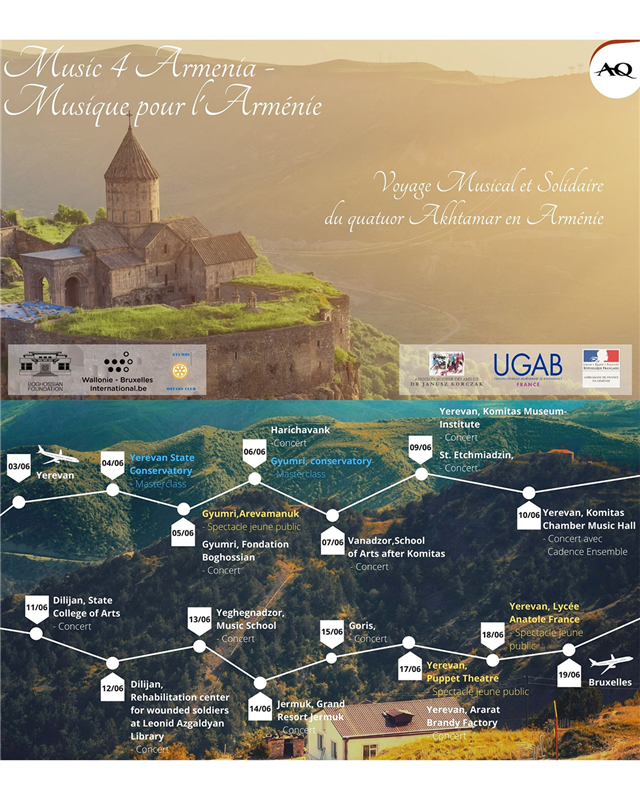
AGBU France supports the "Music 4 Armenia" project launched by the Akhtamar Quartet


In June 2021, the members of the Akhtamar Quartet will travel to Armenia to give a series of 15 concerts entirely free of charge. These performances will also include a show for children entitled "Les Faiseurs de Rêves"  as well as a concert for the soldiers still hospitalised. The Quartet will also perform at the Komitas Chamber Music Hall with the Cadence Ensemble, presenting a mixed repertoire of Armenian music and Argentinian tango....read more
Articles in French by AGBU in NAM
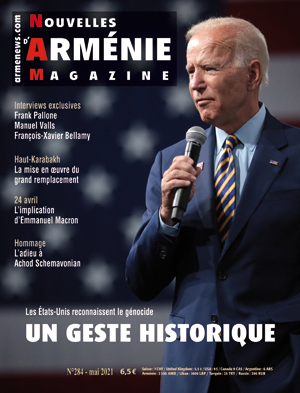
Nouvelles d'Arménie Magazine

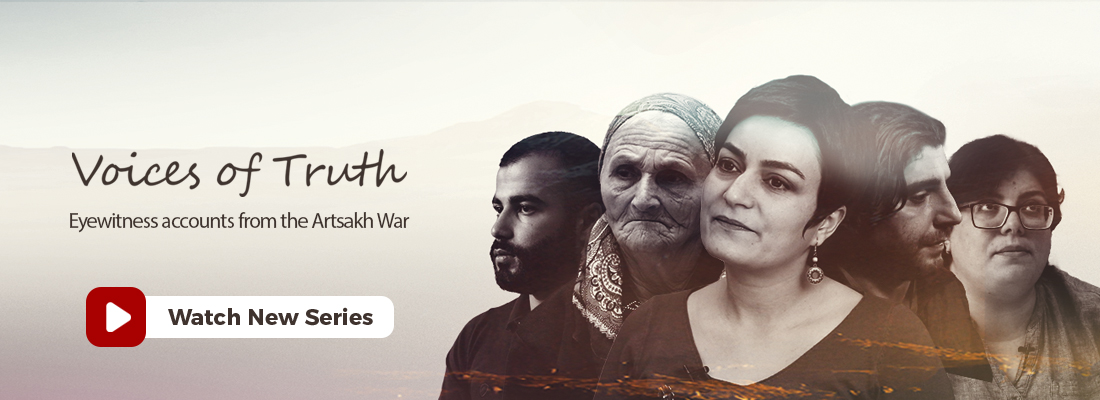
- L’UGAB lance son programme de volontariat pour soutenir les familles d’Artsakh

 
- La marque JOTT soutient les familles d’Artsakh


Read the articles in French

AGBU Events Near You

Lecture - The Rise of International Law: The Talaat Pasha Trial in June 1921

June 2, 2021 at 19:00 CET
Lecture - The Original Sin of Europe's Dark 20th Century: (Re)Integrating the Armenian Genocide into European and World History
June 3, 2021 at 19:30 CET

Sunday, 16 May 2021

De ‘koningin der groenten’ van het seizoen in Nederland – Asperges

NL/ARM


Wie aan lente in Nederland denkt, denkt aan asperges. In Nederland worden dan meestal witte asperges gegeten. Al rond 1600 portretteerden Hollandse en Vlaamse meesters asperges in hun schilderijen. Deze asperges zouden aan de grondslag van de asperge-veredelingen hebben kunnen liggen.

Een beetje geschiedenis...

De vroegste teelt vond plaats in de buurt van Bergen op Zoom en zandduingebieden. Maar na de Tweede Wereldoorlog kwam de aspergecultuur pas volledig tot bloei in Zuidoost-Nederland. Gebieden zoals deze, met veel zandgrond, waren uiterst geschikt voor de teelt en bovendien voorzien van een groot aantal goedkope arbeidskrachten, voornamelijk uit grote katholieke gezinnen. 

Het seizoen

Het aspergeseizoen duurt 2 maanden in Nederland. Traditioneel worden de asperges geoogst vanaf de tweede week van april tot 24 juni.

Plaats

Er zijn diverse locaties in Nederland waar asperges worden geteeld, maar Limburg is wel het belangrijkste productiegebied voor het ‘witte goud’. Aldus kan je in de lente in Limburg ontdekken hoe asperges geteeld en geoogst worden én natuurlijk proeven.

Veel nederlanders houden van asperges. Ze bereiden lekkere maaltijden en genieten ervan met familie en vrienden. Wil jij ook proberen om asperges op een traditionele manier te maken? Hier is een recept:

Porties: 4 personen

  • 1 kg asperges
  • 8-12 plakken gekookte ham
  • 4 eieren
  • 600 gram krieltjes
  • 50 gram roomboter
  • zout
  • 2 takjes peterselie

BEREIDINGSWIJZE:

  1. Schil de asperges
  2. Was de aardappelen. Kook ze in ruim water voor ongeveer 30 minuten. Schud de aardappels af en probeer ze zo heet mogelijk te schillen door ze aan een vork te prikken en er met een mesje de schilletjes eraf te trekken.
  3. Kook de eieren in 8 minuten hard en schil ze.
  4. Breng in een pan water aan de kook en doe hier de asperges in. Voeg een beetje zout toe. Kook de asperges met de deksel op de pan en zet het vuur na 5 minuten uit. Laat de asperges zo nog ongeveer 15 minuten nagaren in het kookvocht.
  5. Maak de plakken ham eventueel heel kort warm in een klein beetje bouillon. 
  6. Was en snij de peterselie fijn. 
  7. Dresseer nu eerst de ham op het bord. Schud de krieltjes om met de boter en de peterselie en leg op het bord.
  8. Leg nu de asperges op de bord, snij de eieren door en leg ook deze erbij.

Eet smakkelijk!

Tip: bewaar de schillen apart om er een soep van te maken.

Նիդերլանդներում սեզոնի «բանջարեղենի թագուհին» ՝ ծնեբեկն է։ Հոլանդական ծնեբեկը հասանելի է միայն սեզոնի ընթացքում ՝ ապրիլի սկզբից մինչև հունիսի 24-ը: Գարնանը Նիդերլանդներում սովորաբար սպիտակ ծնեբեկն են ուտում: Լիմբուրգը ծնեբեկի համար ամենակարևոր արտադրական տարածքն է: Հետևաբար, Լիմբուրգում դուք կարող եք գարնանը պարզել, թե ինչպես են ծնեբեկը աճեցվում և հավաքվում, իհարկե, կարող եք համտեսել այն:

Նիդերլանդական ծնեբեկի դասական պատրացտման տարբերակը `կարտոֆիլով, խոզապուխտով և ձվով է:

Dit artikel is door Verginia Khalafyan geschreven in het kader van het EU-project “Solidarity Corps”. Wil jij ook schrijven voor Niderlandakan Oragir? Stuur dan een berichtje en word ook vrijwilliger!

Adriaen Coorte, Asperges, kruisbessen en aardbeien op stenen bank, 1698, olieverf op doek, 36.7 x 44.3 cm, Dordrechts Museum

Bettyskitchen.nl

Friday, 14 May 2021

Հոլանդացին ձերբակալվել է հեծանիվով սահմանն ապօրինի հատելուց հետո

 NL/ARM

Nederlander gearresteerd nadat hij illegaal op de fiets de grens was overgestoken om 'een nieuw leven te beginnen'.

Een 48-jarige man uit Nederland is in Wit Rusland aangehouden, nadat hij illegaal de grens wilde ‘overfietsen’ vanuit Litouwen. 

Nederland staat bekend als het land waar meer fietsen (23 miljoen) zijn dan mensen (17 miljoen). Fietsen maakt een groot deel uit van de Nederlandse cultuur.

Deze fietsende Nederlander was ondergedoken in het bos, 200 meter van de grens, maar werd onderschept en beboet.

Hij vertelde dat hij de grens overstak, omdat hij een nieuw leven wilde beginnen in Wit-Rusland of Rusland, maar legaal niet binnen kon komen.

Hij krijgt een boete en wordt gedeporteerd, en de komende vijf jaar mag hij Wit-Rusland niet bezoeken.

Sinds 2017 kun je Wit-Rusland normaliter 30 dagen visumvrij bezoeken. Vanwege de Covid-19-maatregelen zijn de grenzen echter gesloten.

Op dezelfde dag probeerde een Poolse man om het land binnen te komen om te proberen werk te vinden. Hij legde uit dat hij na een ruzie met zijn vader naar Wit-Rusland wilde verhuizen, en hij wist niet dat de grens werd bewaakt.

Dit artikel is door Mariam Klyan geschreven in het kader van het EU-project “Solidarity corps”. Wil jij ook schrijven voor Niderlandakan Oragir? Stuur dan een berichtje en word ook vrijwilliger!

Bron: https://www.rt.com/russia/522329-dutch-citizen-belarus-bicycle-border-crossing/

Հոլանդացին ձերբակալվել է հեծանիվով սահմանն ապօրինի հատելու ու «նոր կյանք սկսելու» համար

Բելառուսում ձերբակալվել է Նիդերլանդներից 48-ամյա մի տղամարդ, ով փորձել է  Լիտվայից ապօրինի հատել սահմանը:

Հեծանվորդ այս հոլանդացուն բռնել են անտառում, սահմանից 200 մետր հեռավորության վրա:

Նա ասաց, որ հատել է սահմանը, քանի որ ցանկանում էր նոր կյանք սկսել Բելառուսում կամ Ռուսաստանում, բայց բռնվել է, քանի որ օրինական կերպով չէր  մուտք գործել Բելառուս:

Նա կտուգանվի և կարտաքսվի հինգ տարի ժամկետով:

2017 թվականից սկսած,  սովորաբար կարելի է այցելել Բելառուս առանց վիզայի 30 օր: Սակայն Covid-19 միջոցառումների շնորհիվ սահմանները փակվել են:

Շատերն անտեղյակ են այս կամ այն երկրի սահմանը հատելու օրենքներին:

Նույն օրը մի լեհ մարդ է փորձել մուտք գործել Բելառուս ՝ աշխատանք գտնել նպատակով: Նա բացատրեց, որ իր հոր հետ վիճաբանությունից հետո ցանկացել է տեղափոխվել այս երկիր ու տեղյակ չէր, որ սահմանը հսկվում է:

Փոխադրեց՝ Մարիամ Կլյանը 

Հոդվածը գրվել է ԵՄ «Համերաշխության կորպուս» ծրագրի շրջանակներում: Եթե ցանկանում եք գրել «Նիդերլանդական օրագրի » համար,ապա ուղարկեք հաղորդագրություն և դարձեք կամավոր:

ՆԻԴԵՐԼԱՆԴՆԵՐԻ ՃԱՐՏԱՐԱՊԵՏՈՒԹՅՈՒՆԸ


Նիդերլանդներում առաջինը ինձ տպավորեց ճարտարապետությունը։

 Կարծես հեքիաթում լինես` տնակներ, մուլտ-դղյակներ անտառների մեջ, նեղ փողոցներ, ամենուր ծառուղիներ, այգիներ։ 

 Բարձրահարկեր այդքան չես հանդիպի (միայն մեծ քաղաքներում), հիմնականում 3 հարկանի "կիսված տներն են" (semi detached house), առանձնատներ: 

Ցանկացած կառուցվող շինություն հաստատվում է հատուկ պետական կառույցի կողմից, իսկ սեփականատերը չի կարող փոփոխել իր տան արտաքին տեսքը իր ուզած ձևով (կան հատուկ չափանիշներ)։ Հենց այդ չափանիշները` օրենքները, օգնում են, որ գեղեցիկ ու համաչափ լինի ճարտարապետությունը։ 

Ռոտերդամում կարծես բարձրահարկերի ցուցահանդես լինի. Խորանարդի, մատիտի, աստիճանների, ամբարի տիպի շենքեր։
Ամստերդամում` կարմիր կղմինդրե տանիքներով "карточный домик"-ներ են, իսկ Ուտրեխտում` կանալներով փաթաթված շենքեր։

Տեսանյութում  ներկայացնում եմ ավելի մանրամասն․ մի փոքր միասին կզբոսնենք։

#Նիդերլանդներըհայիաչքերով
#Նիդերլանդներ #Amsterdam #Rotterdam #Utrecht #Netherlands #architecture


Ֆոտոները` @dmirzoyann


Հասմիկ Միրզոյան-Չիլինգարյանի հոդվածը առաջին անգամ ,,Նիդերլանդական օրագրում,,  
հրապարակվել է 2021թ. մայիսի 8-ին.

Thursday, 13 May 2021

Նիդերլանդները՝ Աննա Մարտիրոսյանի Մեկ տարվա հեռավորությունից. Մաս 3


Աննա Մարտիրոսյան

,,Շուրջ 1 տարի ապրելով Նիդեռլանդներում

(հունիսին կլրանա ուղիղ 1 տարին), տեսնում

եմ և վերլուծում սոցիալական շատ խորը

երևույթներ, որպեսին շատ կուզեի տեսնել

նաև մեր հայրենիքում👇👇,,


Սկիզբն` այստեղ.


1. Նիդեռլանդցիները վաղ հասակից կոփված ժողովուրդ են, ցանկացած եղանակին, անկախ անբարենպաստ կլիմայից, անգամ ուժեղ փոթորկին, դուրս են գալիս, քայլում, հեծանիվ քշում։ Ավելին, այդ եղանակին, անգամ կարճաթև և շորտերով եմ տեսել։

2. Ի շնորհիվ սպորտի և առողջ ապրելակերպի, նիդեռլանդցիները համարվում են աշխարհի ամենաբարձրահասակ մարդիկ (տղամարդիկ միջինը՝ 1,82, և կանայք միջինը՝ 1,68)

3. Ամբողջ երկրում ազատ խոսում են անգլերեն՝  փոքրից մեծ։ Աշխարհի անգլախոս երկրներից է համարվում Նիդեռլանդները, ուր հոլանդերեն լեզվից հետո, անգլերենը լայնորեն տարածված է։

4. Շիտակ և ուղիղ լինելը իրենց ամենաբնորոշ գծերից են։ Երբեմն ուրիշ մարդկանց, հատկապես օտարերկրացիներին որոշ արտահայտություններ կարող են կոպիտ թվալ, բայց  տակը սև հումոր կա։ Ազնիվ և անկեղծ ձևով կասեն իրենց կարծիքը, անգամ եթե դուր չգա դիմացինին։ Նիդեռլանդցիները հանդուրժող ժողովուրդ են։ Եթե իրենց դուր չի գալիս քո հագած շորը կամ մազերի նոր կտրվածքը, անհոգ եղիր, անմիջապես բարձրաձայն կասեն քեզ։ Ըստ ինձ, ավելի լավ է սև հումոր՝ ուղիղ ձևով, քան թե մեջքի հետևից՝ բամբասանք։ 

5. Պանրի մեծ սիրահար են՝ նիդեռլանդցիները (մեղքս ինչ թաքցնեմ, ես էլ մանկուց շատ սիրում եմ  համով պանիր ու ամեն ինչի հետ պանիր։ Տարեկան մոտ 20կգ պանիր է ուտում ամեն նիդեռլանդցին, դրա համար արագ են աճում և խոշորակազմ են։

6. Նիդեռլանդցիները նշանավոր են ֆուտբոլային և սոցցեր ակումբներով։ Ֆուտբոլի հանդեպ մեծ սեր ունեն վաղ հասակից և աղջիկներն էլ ակտիվ խաղում են։ Անգամ աղջիկ ֆուտբոլիստների թիմեր կան։ 

7. Նիդեռլանդցիները համարվում են աշխարհի ամենաերջանիկ ազգերից մեկը։ Ըստ 2021 թվ. հետազոտության զբաղեցնում են աշխարհում 5-րդ պատվավոր տեղը' ըստ կրթության, առողջապահության, կոռուպցիայի, խոսքի ազատության, կյանքի որակի և երկարակեցության ցուցանիշների։ 

8. Հետևելով նախորդ կետին, նիդերլանդցի երեխաները ևս համարվում են աշխարհում ամենաերջանիկ և առողջ երեխաներից մեկը։ 

9. Ինչպես նշել էի նախորդ մասերից մեկում, երեխաները որոշակի տարիքում դասերից հետո կամ զուգահեռ աշխատում են խանութներում, սրճարաններում, սուպերմարկետներում և այլն։ Պետությունը նրանցից չի գանձում հարկեր մինչև 18 տարին լրանալը, այլ գործատուներից։ 

10. Ողջ երկրում տարածված են ջերմոց այգիները, ուր աճեցնում են բանջարեղեն, կանաչի և մրգեր։ Արևի պակասի պատճառով լայնորեն տարածված են արհեստական պայմաններով հագեցված ջերմոցները։ Անկեղծ ասած, ոչ բոլոր բանջարեղենը կամ մրգերն են դուր եկել ինձ։ Արարատյան դաշտի սիրասուն մրգերի և բնական արև տեսած բանջարեղենի համն ու հոտը չկա ոչ մի երկրում։ 

11. Նիդեռլանդցիները յուրահատուկ սեր ունեն կերպարվեստի նկատմամբ։ Շատ են սիրում նկարներ անել նաև յուղաներկով։ Ամստերդամում գտնվող Վան Գոգի հանրահայտ թանգարանը միշտ լեցուն է տարեկան միլիոնավոր այցելուներով։ 

Շարունակելի... 


Wednesday, 12 May 2021

Genocide & International Justice after 1919 - Webinars June 2 & 3


We are pleased to announce the first events of our projet "Ideas & their Consequences: Genocide and International Justice after 1919", scheduled to take place on June 2 & 3, 2021.
 
Co-funded by the Europe for Citizens Programme of the European Union, this project aims to explore the growth of two opposing movements which emerged in Europe in the interwar period: the movement towards humanitarianism and international justice, on the one hand, and the development of radical political ideology on the other hand.
 
The project also intends to show that the genocide of 1915 is very much a part of European history, that it inspired horror, compassion, fascination and passionate debate in European countries before, during and after its occurence, and that it profoundly influenced political thinking in Europe.
LIVE WEBINAR 02.06
The Rise of International Law:
The Talaat Pasha Trial in June 1921
Wednesday 2 June - 19:00 CET
on Zoom
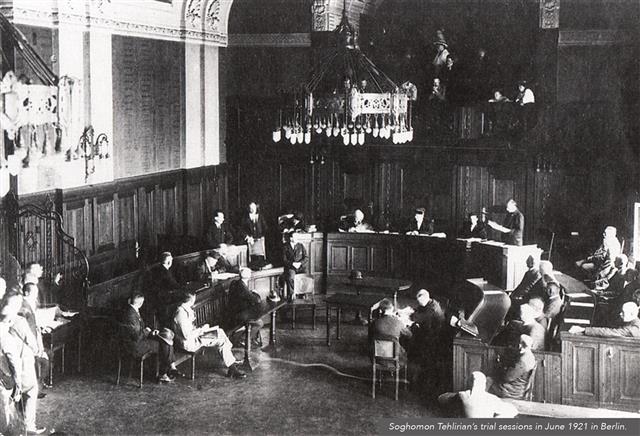
On 2 June 1921, the Armenian student Soghomon Tehlirian assassinated the former Grand Vizier of the Ottoman Empire and chief perpetrator of the Armenian genocide, Mehmed Talaat. After a cursory two-day trial Tehlirian was surprisingly acquitted by a Berlin court. The trial turned into a tribunal on the victim's crimes against humanity, and it made legal history. Even Raphael Lemkin, the "founding father" of the UN Genocide Convention, has always referred in his lifetime to this spectacular Berlin trial of June 2-3, 1921 as his initial experience to coin the term genocide. Hannah Arendt cited the trial strategy as a reference in her book Eichmann in Jerusalem. The lecture sheds light on the background of the trial and its impact on the development of international law.
With Rolf Hosfeld - Historian, Director of the Lepsiushaus in Potsdam
Moderated by Roy Knocke - Historian, Associate Lecturer at the University of Potsdam
LIVE WEBINAR 03.06
The Original Sin of Europe's Dark 20th Century:
(Re)Integrating the Armenian Genocide
into European and World History
Thursday 3 June - 19:30 CET
on Zoom
With French/English live translations
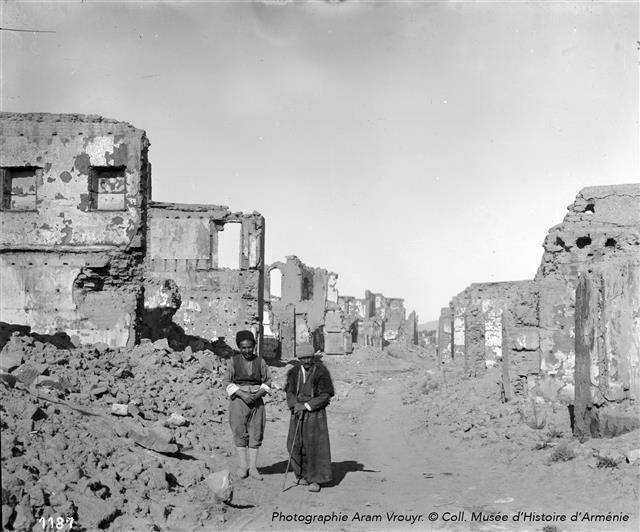
Our knowledge of the Armenian Genocide and of what it meant for the world at the time has been expanding rapidly over the course of the last years. As Stefan Ihrig shows it also provoked intense debates in Germany after World War I – to such an extent that we can clearly identify a larger and true genocide debate taking place there over the course of a few years. Many Germans came to the wrong conclusions though: for German nationalists and the Nazis, the Armenian Genocide presented core lessons about ethnic policies and the international order. By virtue of its reception and the debates it provoked, the Armenian Genocide thus was part of the pre-history of the Shoah. What does this mean for our understanding of the 20th century? In this lecture Ihrig will develop some ideas on how we have to rethink some core notions of the history of the last century.
With Stefan Ihrig - Professor of History, University of Haifa
Moderated by Claire Mouradian - Director of Research Emeritus at CNRS
This event is organised in partnership with
the Memorial de la Shoah in Paris,
as part of the exhibition
The Armenian Genocide of the Ottoman Empire.
The project "Ideas & their Consequences: Genocide and International Justice after 1919" is carried out by AGBU Europe, in partnership with the Lepsiushaus in Potsdam, the European Union of Jewish Students (EUJS) and the Roma organisation Phiren Amenca. The project is co-funded by the Europe for Citizens Programme of the European Union.