The Netherlands Diary/Նիդ.օրագիր

The Netherlands Diary/Նիդ.օրագիր
The Netherlands Diary

Sunday, 3 December 2023

Armenian Alphabet / Հայոց այբուբեն


The Armenian Alphabet was invented in 405 AD by Armenian linguist, statesman and hymnologist Mesrop Mashtots. Armenian calligraphy is included in the UNESCO Representative List of the Intangible Cultural Heritage.

Հայոց այբուբենը հայտնագործվել է մեր թվարկության 405 թվականին հայ լեզվաբան, պետական գործիչ  Մեսրոպ Մաշտոցի կողմից։ Հայկական գեղագրությունն ընդգրկված է ՅՈՒՆԵՍԿՕ-ի ոչ նյութական մշակութային ժառանգության ներկայացուցչական ցանկում։

Statues of Mesrop Mashtots – creator of Armenian Alphabet and Koriun – his pupil and biographer, erected in front of Matenadaran – anchient manuscripts depository.

Հայոց այբուբենի ստեղծող Մեսրոպ Մաշտոցի և նրա աշակերտ Կորյունի արձանները կանգնեցվել են Մատենադարանի՝ հնագույն ձեռագրերի պահոցի դիմաց։

Armenian language has 39 letters. The writing direction – left to right.

Հայոց լեզուն ունի 39 տառ. Գրելու ուղղությունը՝ ձախից աջ:

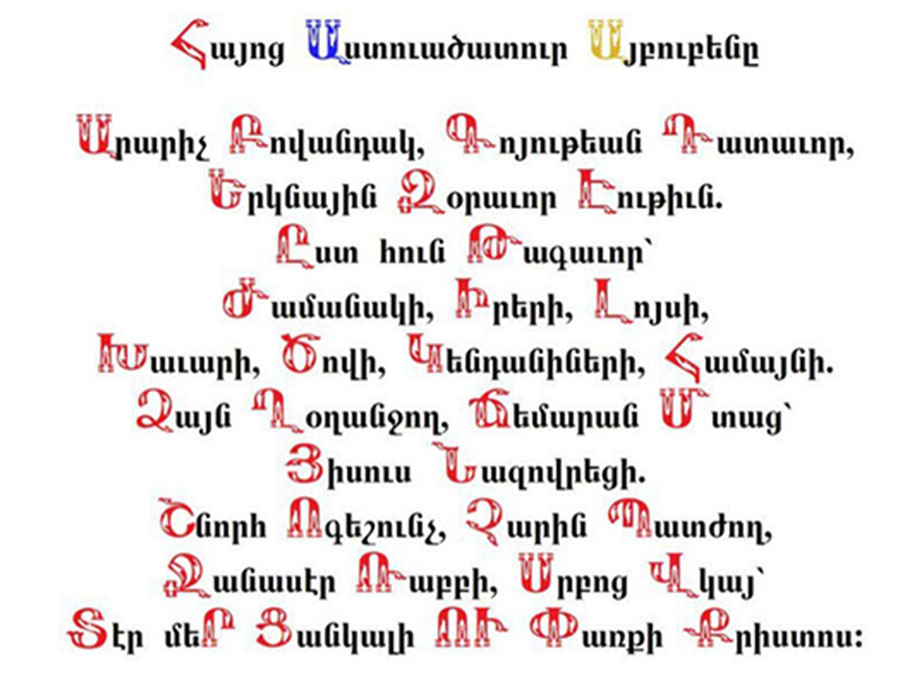
The Armenian alphabet is a prayer. Each letter means one word. It is in the order that Mesrop Mashtots created that you can read a prayer.

Հայոց այբուբենը աղոթք է. Յուրաքանչյուր տառ նշանակում է մեկ բառ: Մեսրոպ Մաշտոցի ստեղծած հերթականությամբ կարող ես աղոթք կարդալ։


The Gospel of John, in Armenian, leaves from an extremely early Biblical codex on vellum 9th-12th c.

Հովհաննեսի Ավետարանը հայերեն լեզվով  9-12-րդ դարերի չափազանց վաղ աստվածաշնչյան ծածկագրից։


Armenian Alphabet, Numerals
Հայոց այբուբեն, թվեր

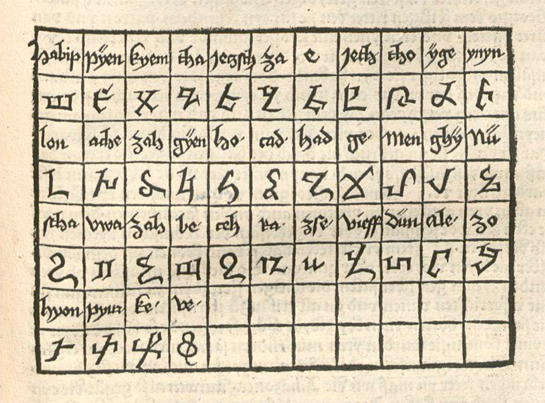
The Armenian alphabet in the 1486 German travelogue “Peregrinatio in terram sanctam.”, the alphabet is missing the letter “o.”
Հայկական այբուբենը 1486 թվականի գերմանական «Peregrinatio in terra sanctam» ուղեգրության մեջ, այբուբենում բացակայում է «o» տառը։


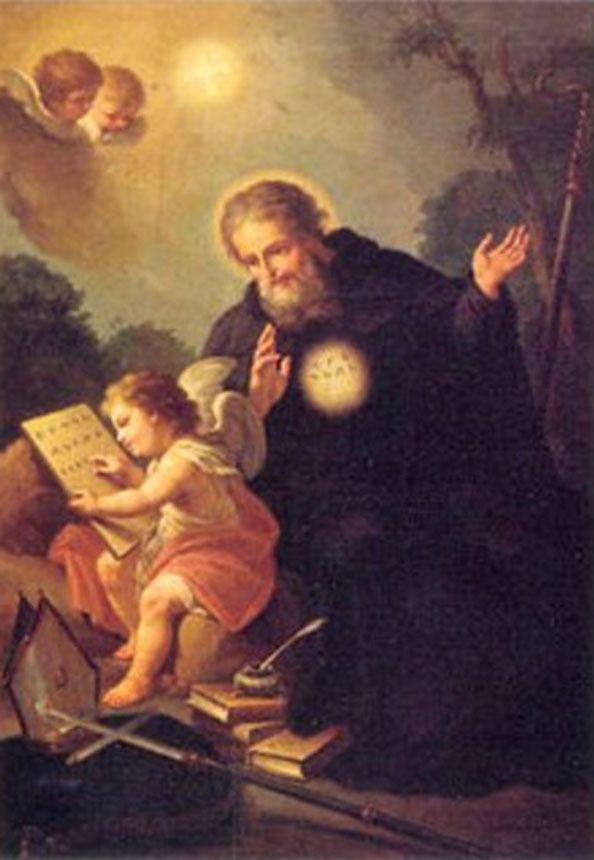
Մեսրոպ Մաշտոց, հայոց գրերի ստեղծող Ֆրանչեսկո Մաջիոտտո, 1750-1805 թթ.


The Armenian Alphabet on an engraving by the Dutch artist Jan Leikin, 1690
Հայոց այբուբենը հոլանդացի նկարիչ Յան Լեյկին, 1690 թ


Wurzburg Residence, Fresco by Giambattista Tiepolo on ceiling of entrance, Mesrop Mashtots and Armenian Letters
Վյուրցբուրգի նստավայր, Ջամբատիստա Տիեպոլոյի որմնանկարը մուտքի առաստաղին, Մեսրոպ Մաշտոց և հայոց տառեր

Մեսրոպ Մաշտոցը և հայոց այբուբենը, վենետիկյան նկարիչ Ջովաննի Բատիստա Տիեպոլոն, 1696 – 1770 թթ.
Mesrop Mashtots and the Armenian alphabet, Venetian artist Giovanni Battista Tiepolo, 1696 – 1770. Fresco in the Würzburg residence - the largest ceiling fresco in the world, Bavaria.

The largest in the world fresco in Würzburger Residenz, Bavaria, Germany created in 1750-1753 by Venetian painter Giovanni Battista Tiepolo. It shows paintings of the four continents: Europe, America, Asia and Africa.
Աշխարհի ամենամեծ որմնանկարը Würzburger Residenz-ում, Բավարիա, Գերմանիա, ստեղծվել է 1750-1753 թվականներին վենետիկյան նկարիչ Ջովաննի Բատիստա Տիեպոլոյի կողմից: Այն ցույց է տալիս չորս մայրցամաքների՝ Եվրոպայի, Ամերիկայի, Ասիայի և Աֆրիկայի նկարները:

The Golden Alphabet is kept in the Cathedral of Etchmiadzin – Pontifical Residence of the Catholicos of All Armenians.
Ոսկե այբուբենը պահվում է Էջմիածնի Մայր Տաճարում՝ Ամենայն Հայոց Կաթողիկոսի Հայրապետական նստավայրում:

The Golden Cross, fragment, Cathedral of Etchmiadzin
Ոսկե Խաչ, հատված, Էջմիածնի Մայր տաճար

The Golden Alphabet, fragment
Ոսկե այբուբեն, հատված

The Golden Alphabet, fragment, Etchmiadzin
Ոսկե այբուբեն, հատված, Էջմիածին

Armenian Alphabet, Gold, fragment

Armenian Alphabet, Providence, Rhode Island, USA. The inscription: “As long as the Armenian speech will sound and the Armenian script will exist, Armenia will live.”
Հայոց այբուբեն, Պրովիդենս, Ռոդ Այլենդ, ԱՄՆ. «Քանի դեռ հայերենը կհնչի, և հայկական գիրը կլինի, Հայաստանը կապրի»։


Armenian Letters, Alexandria Library Wall, Egypt
Հայոց գրեր, Ալեքսանդրիայի գրադարանի պատ, Եգիպտոս


Armenian Alphabet, Cleveland, Ohio, USA
Հայոց այբուբեն, Քլիվլենդ, Օհայո, ԱՄՆ


Monument to the Armenian Alphabet, Church of St. Hovhannes Mkrtich, Ozaska, Brazil
Հայոց այբուբենի հուշարձան, Սուրբ Հովհաննես Մկրտիչ եկեղեցի, Օզասկա, Բրազիլիա
The Armenian Alphabet stele, Alforville, France
Հայկական այբուբենի ստեղնը, Ալֆորվիլ, Ֆրանսիա


Monument to the Armenian alphabet in Auckland, New Zealand
Հայոց այբուբենի հուշարձան Նոր Զելանդիայի Օքլենդ քաղաքում


Armenian Alphabet, Holy Transfiguration Cathedral, Moscow, Russia
Հայոց այբուբեն, Սուրբ Պայծառակերպություն տաճար, Մոսկվա, Ռուսաստան


Monument to Book, Barnaul, Russia
Գրքի հուշարձան, Բառնաուլ, Ռուսաստան


Mashtots and Armenian Alphabet, Nor Luys, Sochi, Russia
Մաշտոց և հայոց այբուբեն, Նոր Լույս, Սոչի, Ռուսաստան


Monument to the creator of the Armenian Alphabet, Izhevsk, Russia
Հայոց այբուբենի ստեղծողի հուշարձան, Իժևսկ, Ռուսաստան

Hermes շարֆ հայերեն տառերով


Armenian Gospel, 17 century, Minas
Հայոց Ավետարան, 17 դար, Մինաս


Armenian Gospel,13th-century


Armenian Letters “Ո” in techniques Bird Calligraphy, Trchnagir, Թռչնագիր


Armenian Letters “Զ, Է” in techniques Bird Calligraphy, Trchnagir, Թռչնագիր


Գիտության և գործարարության օրեր։ Օր երկրորդ

ՀԱՄԱԺՈՂՈՎԻ ԵՐԿՐՈՐԴ  ՕՐՎԱ ՝ ԴԵԿՏԵՄԲԵՐԻ 2- Ի ՕՐԱԿԱՐԳՆ ՈՒ ՏՊԱՎՈՐՈՒԹՅՈՒՆՆԵՐԸ.

Այսօրվա խնդիրներն հիմնականում վերաբերում են արհեստական բանականությանն առնչվող հարցերի: Նիստը սկսվեց Նասիմ Թալեբի և ՀՀ Էկոնոմիկայի նախարար Քերոբյանի  բովանդակալից զրույցով։  Էկոնոմիկայի նախարար Վահան Քերոբյանի կարծիքով այս համաժողովի միջոցով հնարավոր կլինի կամրջել ակադեմիական գիտելիքն ու գործարար միջավայրի ժամանակակից պահանջները՝ հզորացնելով արտադրական ներուժը և դրանով իսկ խթանել մեր պետության տնտեսական աճը: Նա հատկապես նշել է, որ գիտելիքահենք նախագծերը մնայուն արժեք են պետության համար, և հաջողությամբ առևտրայնացնելու պարագայում կարող են դառնալ Հայաստանի կարևոր այցեքարտերից մեկը։ Վահան Քերոբյանի կարծիքով, քանի որ գիտելիքը սահմաններ չի ճանաչում՝ ազգաբնակչության հետ միասին կարելի է հարթել գիտելիքի և գործարարության համատեղ ճանապարհը։

Չափազանց հետաքրքիր էր ծնունդով չիլիացի, չիլիացի-իսպանացի-ամերիկյան ֆիզիկոս, հեղինակ և ձեռնարկատեր Սեզար Ա. Հիդալգոյի (ծնված 1979 թվականի դեկտեմբերի 22-ին) զրույցը։ Սեզար Ա. Հիդալգո ղեկավարում է Թուլուզի համալսարանի Արհեստական ​​և բնական ինտելեկտի ինստիտուտի (ANITI) կոլեկտիվ ուսուցման կենտրոնը: Նա նաև Մանչեսթերի համալսարանի պատվավոր պրոֆեսոր է և Հարվըրդի ճարտարագիտության և կիրառական գիտությունների դպրոցի հրավիրյալ պրոֆեսոր: Հիդալգոն հայտնի է տնտեսական բարդության, առնչության, տվյալների վիզուալիզացիայի, կիրառական արհեստական ​​ինտելեկտի և թվային ժողովրդավարության խնդիրներով կատարած իր հետազոտություններով: Մինչ Թուլուզի համալսարանին միանալը, Հիդալգոն պրոֆեսոր էր MIT-ում, որտեղ ղեկավարում էր Հավաքական ուսուցման խումբը: Նա նաև հիմնադիր և գործընկեր է Datawheel-ում, որը տվյալների վիզուալիզացիայի և բաշխման ընկերություն է: 

Հիդալգոյի աշխատանքներին առնչվող ամբողջական տեղեկատվությունը կարելի է տեսնել նրա էջում՝  https://cesarhidalgo.com/ ։

Հիդալգոն սկսել է օգտագործել ցանցը տնտեսական զարգացումն ուսումնասիրելու համար դեռևս երբ գրում էր իր ատենախոսությունը: Նրա հիմնական ներդրումներն են՝ The Product Space-ը, ցանց, որը կարող է օգտագործվել երկրի դիվերսիֆիկացիայի ապագա օրինաչափությունները կանխատեսելու համար, և տնտեսական բարդության ինդեքսը, բանաձեւ, որը կարող է օգտագործվել տնտեսությունների աճի ներուժը գնահատելու համար։ Ըստ հեղինակ-բանախոսի տնտեսական բարդության ինդեքսը մեծապես կանխատեսում է ապագա տնտեսական աճը և նաև հանդիսանում է եկամտի անհավասարության միջազգային տարբերությունների ուժեղ բացատրական գործոն։ Հիդալգոյի աշխատանքը տնտեսական բարդության մեջ լուսաբանել են The New York Times, The Economist և Financial Times մասսայականություն վայելող հանրահայտ լրատվամիջոցները։

Ջասթին Լեյնը համահիմնադիրն է «CulturePulse» և «ALAN Analytics» ընկերությունների․ նրա գործունեությանը կարելի է ծանոթանալ այստեղ՝ ALAN Analytics Flattening The Emotional Curve with New AI Systems (anylogic.ru)։ Ջասթին Է. Լեյնի հետազոտության կենտրոնը ճանաչողական գիտությունն է, նրա հայացքը սևեռված է սոցիալական կայունության և համակարգչային սիմուլյացիայի վրա, նաև՝ արհեստական ​​ինտելեկտի և տվյալների կիրառմամբ մոտեցումների վրա: Ջասթին Լեյնն դոկտորի աստիճանը ստացել է Օքսֆորդի համալսարանի ճանաչողական և էվոլյուցիոն մարդաբանության ինստիտուտից 2019 թվականին:

Անդրադառնալով քովիդյան համաճարակի խնդիրներին և մոդելավորմանը, նա նշում է, որ  իր մասնագիտությունը ոչ թե համաճարակաբանությունն է, այլ  մարդկու սոցիալական վիճակի ուսումնասիրությունը։ Նրա ստեղծած մոդելը կենտրոնանում է հուզականության տարածման վրա և ինչպես է այն իրատեսորեն ազդում մարդու վարքագծի վրա։ /Բանախոսի գիտական ուսումնասիրություններին և հոդվածներին կարելի է ծանոթանալ հետևյալ հղումով․  ։ / Այս առումով բանախոսը փորձել է պատասխանել հետևյալ չափազանց կարևոր և արդիական հարցերին․ 

Ո՞վ է հետևելու կանոնակարգին.

Ե՞րբ է ապատեղեկատվությունը ավելի գրավիչ․

Ի՞նչ ազդեցություն ունի անհանգստությունը քաղաքական հակումների և ինքնության վրա:

Բանախոսը փորձել է պարզաբանումներ տալ թե արդյոք հետազոտությունների միջոցով հնարավոր է հասկանալ որքանով կարող է արհեստական բանականությունը փոխարինել բնականին։ Լեյնը փորձել է նաև կիրառել արհեստական ինտելեկտը հասկանալու համար կրոնական խնդիրներն ու հավատալիքները՝ հրապարակելով համապատասխան հոդված 2021 թվին, որտեղ կրոնի և սոցիալական համախմբվածության վերաբերյալ մոտեցումների քննադատական ​​վերլուծությունից հետո առաջարկում է կրոնական ուսումնասիրությունների նոր մոդել, որը նա անվանում է «Տեղեկատվական ինքնության համակարգ»: Այս մոդելը կենտրոնանում է հայեցակարգային կապերի գաղափարի վրա. կապեր անհատի ինքնորոշման և նրանց կրոնական խմբի հնագույն համոզմունքների միջև: Լեյնն ուսումնասիրում է այս գաղափարը իրական աշխարհի օրինակների միջոցով՝ սկսած գլոբալ հիսունականության աճից, մինչև կրոնական ծայրահեղականություն և ինքնաարմատականացում, մինչև սեպտեմբերի 11-ի ազդեցությունը քարոզների վրա: Լեյնն օգտագործում է այն՝ ցույց տալու համար, թե ինչպես մենք կարող ենք այսօր հասկանալ կրոնն ու մշակույթը, և ինչպես կարող ենք ավելի լավ համատեքստային դարձնել այն փոփոխությունները, որոնք տեսնում ենք մեզ շրջապատող սոցիալական աշխարհում:

Հետագա անելիքների մասին խոսելիս, ըստ բանախոսի, ակնհայտ է, թե որոնք են լինելու միտումները։ Ջասթին Լեյնն ակնկալում է ստեղծել և զարգացնել ավելի ամուր մոդելներ և կիրառումներ էթնիկ հակամարտություններին առնչվող քաղաքականության համար բանաձևի առնչությամբ։ Նա նպատակ ունի քաղաքականություն մշակողներին ցույց տալ, որ օգտագործելով համապատասխան տվյալներ և ներկայացուցչիչներից ստացված հարցումները և զուգակցելով դրանք սոցիալական մեդիայից ստացված նյութերի հետ, անպայման կարելի է ապահովել մշակութային լարվածության թուլացում, որն անհրաժեշտ է իրականացնելու համար միջմշակութային մոդելները, որոնք ենթատեքստային առումով ավելի մեծ համապատասխանություն կունենան:

Նրա ծրագրերի մեջ է մտնում նաև աշխատանը սոցիալական մեդիայի նոր ընկերությունների հետ (օրինակ՝ Minds.com)՝ արդյունքներն ավելի լավ հասկանալու (և, հնարավոր է, հակադարձելու)և  գործընթացների արմատականացման նպատակով:

Նա նաև ցանկանում է նախաձեռնել սոցիալական անկայունությում վավերացնել քաղաքականությանը համապատասխանող մոդելներ և բարձրացնել նրանց կանխատեսող ուժը։ 

Դեկտեմբերի 2-ի պանելային քննարկման թեման էր․ «ԳԼՈԲԱԼ ՄԻՏՈՒՄԵՐԸ և ՀԱՅԱՍՏԱՆԸ․ ՀԱՅԱՑՔ ԴԵՊԻ ԱՊԱԳԱՆ»։

Բանախոսներն էին հեղինակավոր կազմակերպություններ ղեկավարող և դրանք ներկայացնող Սերգեյ Մաթևոսյանը, Ռալֆ Յիրիկյանը, Դանիիլ Շուլեյկոն, Անետա Սերբուշկան, Արմեն Օրուջյանը։

SBD Talks ի սահմաններում իրենց գործունեությունն ու տեսլականը ներկայացրեցին Արման Արզումանյանը, Արթուր Կարապետյանը, Սամվել Մարտիրոսյանը, Անի Ղազարյանը, Ռաֆայել Պետրոսյանը, Արտյոմ Հարությունյանը, Անտոն Կրիշենկոն։ 

Հատուկ ՆիդՕրագրի ընթերցողների համար

ԵՊՀ դոցենտ, բ․գ․թ․ Նաիրա Գասպարյան

THE AGENDA AND IMPRESSIONS OF THE CONFERENCE SCIENCE AND BUSINESS DAYS 2023 :     Second Day – December 2

Today's discussions are mostly related to artificial intelligence issues. The session began with a meaningful conversation between Nasim Taleb and RA Minister of Economy Kerobyan. According to the Minister of Economy Vahan Kerobyan, it will be possible through this conference to bridge academic knowledge and the modern requirements of the business environment by strengthening the production potential and thereby stimulating the economic growth of our state. He especially noted that knowledge-building projects are a lasting value for the state, and successfully in case of commercialization, they can become one of the important business cards of Armenia.

 Chilean-born, Chilean-Spanish-American physicist, author and entrepreneur Cesar A. Hidalgo (born December 22, 1979) gave an extremely interesting talk. Cesar A. Hidalgo directs the Collective Learning Center at the Institute of Artificial and Natural Intelligence (ANITI) at the University of Toulouse. He is also an Honorary professor at the University of Manchester and a visiting professor at the Harvard School of Engineering and Applied Sciences. Hidalgo is known for his works on Economic Complexity, Relatedness, Data Visualization, applied Artificial Intelligence, and Digital Democracy. He is the author of dozens of academic papers in complex systems, networks, and economic development, and has created applications of data science and artificial intelligence.

Before joining the University of Toulouse, Hidalgo was a professor at MIT, where he directed the Collective Learning Group. He is also a founder and partner at Datawheel, a data visualization and distribution company. Full information on Hidalgo's work can be found on his website: https://cesarhidalgo.com/ .

Hidalgo began using the net when still writing his dissertation. His main contributions are The Product Space, a network that can be used to predict future patterns of country diversification, and the Economic Complexity Index, a formula that can be used to assess the growth potential of economies. According to the author-speaker, the economic complexity index is highly predictive of future economic growth and is also a strong explanatory factor of international differences in income inequality. Hidalgo's work on economic complexity has been covered by popular media such as The New York Times, The Economist, and the Financial Times. 

Another interesting talk was given by Justin Lane who is the co-founder of Culture Pulse and ALAN Analytics. (About his activities one can find here: ALAN Analytics Flattening The Emotional Curve with New AI Systems (anylogic.ru) Justin E. Lane's research focuses on cognitive science, on social sustainability and computer simulation, as well as artificial intelligence and data-driven approaches. Justin Lane received his PhD from the Institute of Cognitive and Evolutionary Anthropology at the University of Oxford in 2019.

Referring to the problems and modeling of the COVID epidemic, he states that his specialty is not epidemiology, but the study of the social condition of people. His model focuses on the impact of emotion and how it realistically affects human behavior. The speaker's scientific studies and articles can be found at the following link: Justin E. Lane‬ - .

In this regard, the speaker tried to answer the following extremely important and topical questions:

• Who will follow the regulation?

• When is disinformation more attractive?

• What effect does anxiety have on political leanings and identity?

The speaker tried to clarify whether it is possible through research to understand to what extent artificial intelligence can replace natural intelligence. Lane has also attempted to apply artificial intelligence to understanding religious issues and beliefs, publishing a related paper in 2021 in which, after a critical analysis of approaches to religion and social cohesion, he proposes a new model for religious studies that he calls the "Informative Identity System."

This model focuses on the idea of ​​conceptual connections; connections between an individual's self-identity and the ancient beliefs of their religious group. Lane explores this idea through real-world examples, from the rise of global Pentecostalism, to religious extremism and self-radicalization, to the impact of 9/11 on sermons. Lane uses it to show how we can understand religion and culture today, and how we can better contextualize the changes we see in the social world around us.

According to the speaker, when talking about what to do in the future, it is obvious what the trends will be. Justin Lane hopes to create and develop more robust models and applications of the resolution to solve ethnic conflict policy. He aims to show policymakers that using relevant data and surveys based on natives’ witnesses, and combining them with materials from social media, one can certainly provide the easing of cultural tensions necessary to implement cross-cultural models that are contextually more relevant.  He also wants to take the initiative to validate policy-relevant models on social instability and increase their predictive power.

The topic of the December 2 panel discussion was: "GLOBAL TRENDS and ARMENIA: LOOK TOWARDS THE FUTURE." 

The speakers were Sergey Matevosyan, Ralf Yirikyan, Daniil Shuleyko, Aneta Serbushka, Armen Orujyan, who represented their prestigious organizations.

Arman Arzumanyan, Artur Karapetyan, Samvel Martirosyan, Ani Ghazaryan, Rafael Petrosyan, Artyom Harutyunyan, Anton Krishenko presented their activities and vision within SBD Talks.

For NidOragir

By YSU Associate Prof., PhD Naira Gasparyan


Friday, 1 December 2023

Գիտության և գործարարության օրեր-2023

ՀԱՄԱԺՈՂՈՎԻ ԱՌԱՋԻՆ ՕՐՎԱ ՝ ԴԵԿՏԵՄԲԵՐԻ 1- Ի ՕՐԱԿԱՐԳՆ ՈՒ ՏՊԱՎՈՐՈՒԹՅՈՒՆՆԵՐԸ

Երևանի Սունդուկյանի անվան թատրոնի շենքը այսօր և վաղը դեկտեմբերի 1 ին և 2 ին տրամադրվել է Գիտության և գործարարության օրեր 2023-ի համաժողովին, որը կամրջում է ժամանակակից գիտությունը առաջադեմ տեխնոլոգիաների կիրառմանը՝ նպաստելով բիզնեսի ամենահամարձակ ու անհնարին զարգացումներին։  Գիտելիքահեն գործարարությունն այսօր խիստ պահանջված է աշխարհում։ ՀՀ Էկոնոմիկայի նախարար Քերոբյանն ընդգծեց, որ «համաժողովը նպատակ ունի գիտնականների, բիզնեսմենների և այլ հետաքրքրված անձանց միջոցով պարզել, թե ինչպես պետք է անենք, որ Հայաստանում բիզնեսը դառնա ավելի գիտելիքահեն, տնտեսությունը դառնա ավելի նորարար, ավելի մրցունակ:» Միջոցառումը կազմակերպվել է էկոնոմիկայի նախարարի, նախարարության և այլ պետական օղակների ջանքերով՝ ամենաբարձր ատյաններում տեղական հաջողակ և արտասահմանյան ծաղկող բիզնես կազմակերպիչների օգնությամբ։ Համաժողովի առաջին օրվա ընթացքում դահլիճում տեղի ունեցավ «Գիտական համակարգը որպես Հայաստանի տնտեսության մրցունակության գրավական» թեմայով պանելային քննարկում, որին ակտիվ մասնակցեցին Մարինա Աղայանը Արմեն Բալդրյանը, Տիգրան Շահվերդյանը, Նարեկ Վարդանյանը, Գևորգ Սաֆարյանը։ Հայաստանում և միջազգային շուկաներում հաջողակ ըներությունների ներկայացուցիչները SBD Talks-ի շրջանակներում պատմեցին իրենց ընկերությունների հաջողության պատմությունները։ Այդ պատմությունները նպատակ ունեն ոգեշնչելու սկսնակներին կյանքի կոչելու իրենց նորարարական գաղափարները, հատկապես շեշտադրելով, որ հաջողության հասնելու համար շատ էական է անհնարինը իրականություն դարձնելը։ Առանց մտածված ռիսկերի անհնարինը երբեք իրական չի դառնում։ Ոգևորելու համար կարևորվում է ազատ գործելու հավատը և մոտիվացված լինելը։ Երբ ունես հնարավորություն լսելու փորձառու մասնագետների պատմությունները, երբ կարող ես գնահատել կարողություններդ և ռեալ ռիսկային գործոնը, հավատում ես ուժերիդ, նաև մեծ ոգևորություն կա անհնարինը իրական դարձնելու, ապա անհրաժեշտ ամենահամարձակ մտահղացումներն անգամ հնարավոր է իրականացնել։ Իր ելույթով ներկաներին ոգևորող մեկ այլ հայտնի գիտնական Հարվրդի համալսարանի պրոֆեսոր Սեզարի Դալգոն քննարկեց իր տնտեսական բարդության տեսությանն առնչվող հարցեր։

Բազմաթիվ բանախոսներ ելույթ  ունեցան, սակայն գլխավոր բանախոսը լիբանանյան արմատներով ամերիկացի աշխարահռչակ գրող, բիզնեսմեն, գիտնական Նասիմ Թալեբն էր՝  Սև ԿԱՐԱՊԻ ՏԵՍՈՒԹՅԱՆ հեղինակը յուրահատուկ շեշտադրումներով ցույց տվեց, որ  այդ տեսության համաձայն՝ փորձագետի համար իրադարձությունն անսպասելի է,  իրադարձությունն էական հետևանքներ է ունենում, իսկ իրադարձությունից հետո սկսվող ռացիոնալ բացատրությունները վկայում են, որ, կարծես թե այն լիովին սպասելի էր։ Այսօր անհրաժեշտությունն ունենք նման քննարկումների, և պետք է կատարած բացահայտումները երկրի բարգավաճմանն ու կարիքներին ծառայեցվեն։ Բացահայտումները չափազանց  հետաքրքիր են, իսկ ամենախոստումնալիցն այն է, որ հայ երիտասարդությունը լի է հաջողություններ գրանցելու վճռականությամբ նույնիսկ այսպիսի դժվարին ժամանակներում։ Փաստորեն, կյանքը կարելի է լիարժեք ապրել միայն կառավարելով ռիսկերը, ոչ թե իջեցնելով հավանական ռիսկերի մակարդակը։ Որքան մեծ է ռիսկը այնքան մեծ է ձեռքբերումը։ Փխրունությունը դեռ ոչինչ չի նշանակում։ Հետաքրքիր է, որ պրոֆեսոր Թալեբը շեշտը դնում է ՝ ՕԳՏՎԻՐ ԿԱՄ ԿՈՐՑՐՈՒ, ՕԳՏՎԻՐ և ԿՈՐՑՐՈՒ առաջին հայացքից իրարամերժ թվացող մոտեցումների վրա, ըստ էության, ռիսկերի կառավարման վրա։ Տեխնոլոգիական առաջընթացը ֆորմալ գիտության միջանկյալ օղակից տեղափոխվում է տեխնոլոգիա գործարարություն միջակայք։ Սա այն դեպքն է երբ ռիսկային կիրառման համարյա անհնարին դեպքում հաջողվում է շահել։

Հատուկ ՆիդՕրագրի ընթերցողների համար

ԵՊՀ դոցենտ, բ․գ․թ․ Նաիրա Գասպարյան


THE AGENDA AND IMPRESSIONS OF THE CONFERENCE SCIENCE AND BUSINESS DAYS 2023 :     First Day - December 1:


Today and tomorrow on December 1st and 2nd, the building of Yerevan Sundukyan Theater serves to host to THE SCIENCE AND BUSINESS DAYS 2023 CONFERENCE, which bridges modern science with the use of advanced technologies, contributing to the most daring and impossible business developments. Today, knowledge-based business is highly demanded in the world. The Minister of Economy of RA Qerobyan mentioned that "the conference aims to find out with the help of scientists, businessmen and other interested persons, how we should do business in Armenia to make the economy more knowledge-based, so that to become more innovative, more competitive."  The event was organized by the efforts of the Minister of Economy, the Ministry and other government organizations with the help of local successful and foreign flourishing business organizers at the highest levels. During the first day of the conference, a panel discussion "Scientific system as a guarantee of the competitiveness of the Armenian economy" was held. Marina Aghayan, Armen Baldryan, Tigran Shahverdyan, Narek Vardanyan, Gevorg Safaryan actively participated in the discussion. Representatives of successful companies in Armenia and international specialists within the framework of SBD Talks presented the success stories of their companies.  These stories aim to inspire startups to bring their innovative ideas to life, especially emphasizing that making the impossible a reality is essential to success. Without thoughtful risks, the impossible never becomes real. Believing in free action and being motivated are important steps towards inspiration. When you have the opportunity to listen to the stories of experienced professionals, when you can assess your abilities and recognize the real risks, you believe in your abilities, and there is also great excitement to make the impossible come true, then even the most daring ideas can be implemented. Another well-known scientist, Professor Cesari Dalgo of Harvard University, who inspired the audience with his speech, discussed issues related to his theory of economic complexity.  Many professionals spoke, but the main speaker was the famous American writer, businessman, scientist with Lebanese roots, Nasim Taleb - the author of BLACK SWAN THEORY showed with unique emphasis that according to this theory, the event is unexpected for the expert, the event has significant consequences, and after the event takes place it gives rise to rational explanations testifying as if it was completely expected.  We need such discussions, and we should use the findings to serve the country's prosperity and needs. The findings are extremely interesting, and the most promising is that the Armenian youth is full of determination to achieve success even in such difficult times. In fact, life can be lived to the fullest only by managing risks, not by reducing the level of potential risks. The greater the risk, the greater the achievement. Fragility still means nothing. Interestingly, Prof. Taleb emphasizes the 'TAKE IT OR LOSE IT, TAKE IT AND LOSE IT' approach, which at first glance seems contradictory, to essentially risk management. Technological progress moves from the intermediate stage of formal science to the stage of technology and business. This is the case when it is possible to win in an almost impossible case of risky application.


Ամստերդամի Սուրբ Հոգի եկեղեցու նորաստեղծ գրադարանը համալրվեց նոր ու արժեքավոր գրքով

Ավետարան, Կոստանդնուպոլիս, 1805 թ․

Ամստերդամի նորաստեղծ (Armenian Library Amsterdam) հայկական գրադարանը համալրվեց  նոր ու արժեքավոր գրքով։ Այս մասին տեղեկացնում են գրադարանից։

 Արծաթազարդ կաշվե շքեղ կազմով այս գիրքը 1805 թ․ տպագրվել է Կոստանդնուպոլսում։ Պարունակում է չորս Ավետարանները, և առատորեն զարդարված է փորագրանկարներով, զարդատառերով, գլխազարդերով, վերջնազարդերով, լուսանցազարդերով։

Գիրքը պատկանել է մահտեսի Սիմիօն Բարբարեանցին, որ ծագումով բիթլիսցի էր, և բնակվում էր Կարս քաղաքում։ 1886 թվականին նրա համար հիշատակարան է գրել Կարսի Սուրբ Նշան եկեղեցու քահանա Տեր Շմաւոն Մարուգեանցը։ Հիշատակարանը ձևակերպված է հին ձեռագրային ավանդույթի համաձայն։

Հիշատակարանի վերջում նշված է նաև, որ 1886 թ․ հունիսի 20-ին Ռուսաստանի կայսր Աղեքսանդրը հրաման էր տվել զինվորներ ուղարկել Կովկաս։

Պարզ չէ, թե ինչպես այս գիրքը հայտնվել է Նիդերլանդներում, սակայն գտնվել է 2010 թ․ մահացած բողոքական հոգևոր հովիվ Հ․Բ․ վան դեր Ստեյնի անձնական գրադարանում։ Ըստ նրան, գիրքն իր հետ բերել էր ցեղասպանությունը վերապրածներից մեկը։ Հովվի որդի Պիմն այս արժեքավոր գիրքը նվիրել է Սուրբ Հոգի եկեղեցուն։


Evangelarium, Constantinopel 1805

Dit boek, in een schitterend leren omslag met zilverbeslag, is in 1805 gedrukt in Constantinopel. Het bevat de vier Evangeliën, en is rijkelijk versierd met houtsneden, sierletters en versieringen aan het begin en einde van hoofdstukken en in de marges. 

Het is het eigendom geweest van Simion Barbareants, die ooit een bedevaart heeft gemaakt naar Jerusalem, afkomstig was uit Bitlis en woonachtig in Kars, West-Armenië (nu Turkije). In 1886 heeft hij een colofon laten schrijven door de priester van de Surp Nshan kerk in Kars, Vader Shmavon Marugeants. Dergelijke colofons waren gebruikelijk in Armeense oude handschriften.

Aan het einde van het colofon wordt ook gemeld dat op 20 juni 1886 de Russische tsaar Alexander bevel heeft gegeven om soldaten naar de Kaukasus te sturen.

Hoe dit boek precies in Nederland is beland is niet duidelijk, maar het is eigendom geweest van de in 2010 overleden ds. H.B. van der Steen. Naar zijn zeggen is het boek meegebracht door een overlevende van de genocide in 1915. Zijn zoon Pim heeft dit kostbare boek geschonken aan de Surp Hoki kerk.